
The work is fun and involves daily communication with a variety of different roles across the product development cycle including managers, designers, QA testers, and of course, developers. Building core components is an exciting process of creating something new, while keeping in tradition as much as possible with what has already been built, and shipping the component efficiently to the feature team that will put it to use. Below are examples of several aspects of work I’ve done on the team, including building components, writing testing standards, and implementing a feature redesign.


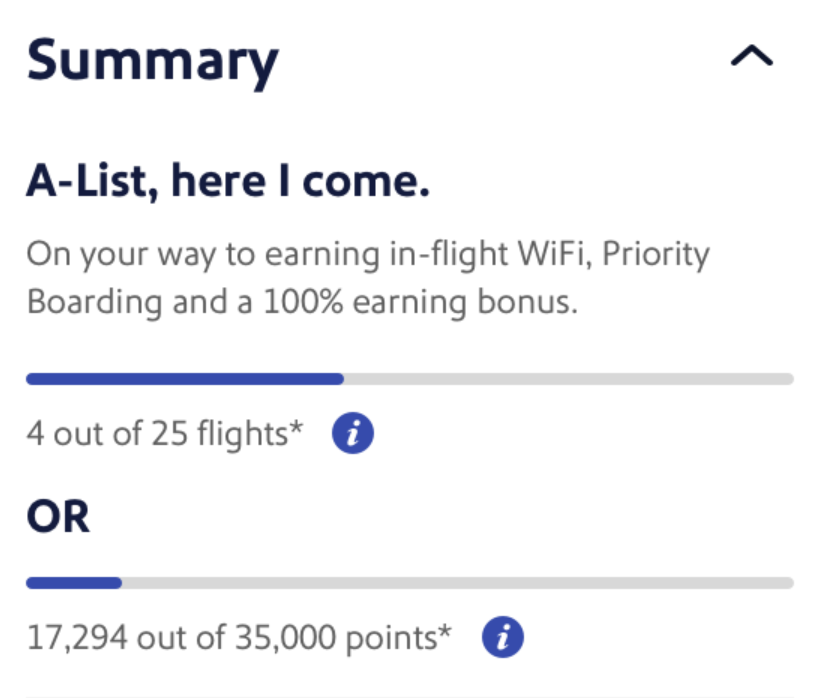
Components on the Design System team are ingested and used by all other application teams, including My Account, Nonrev, Baggage, and Gift Card. I’ve built over a dozen features, including components for the core and for web content management. Examples of features I’ve built include modals, progress bars, alert messages, icons, and adapters to convert web content from the old codebase to be compatible with several components in the new responsive codebase.
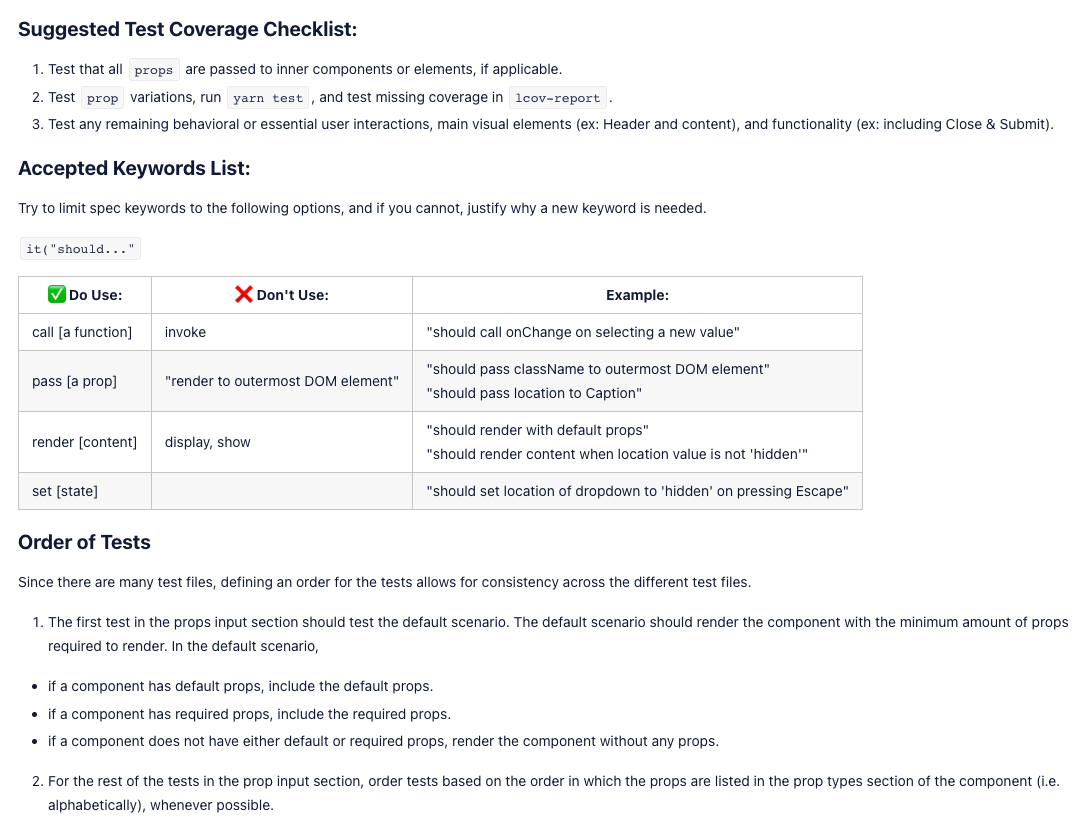
New standards are developed on the Design System team on a regular basis. For example, in the process of converting from the usage of the Jest unit test library Enzyme to React Testing Library, we had to define new standards including accepted spec keywords and ordering of tests. These standards developed organically during the process of code review, were agreed upon by the team and added to Storybook documentation, shared with the developer teams at large during the collective dev huddle the following week, and standards were enforced afterwards in later code reviews.
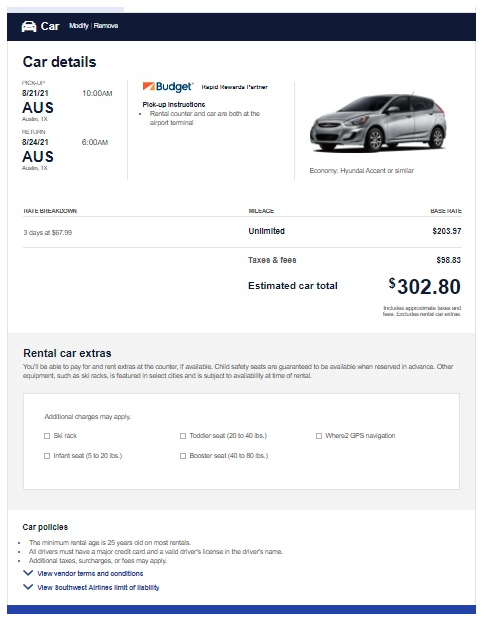
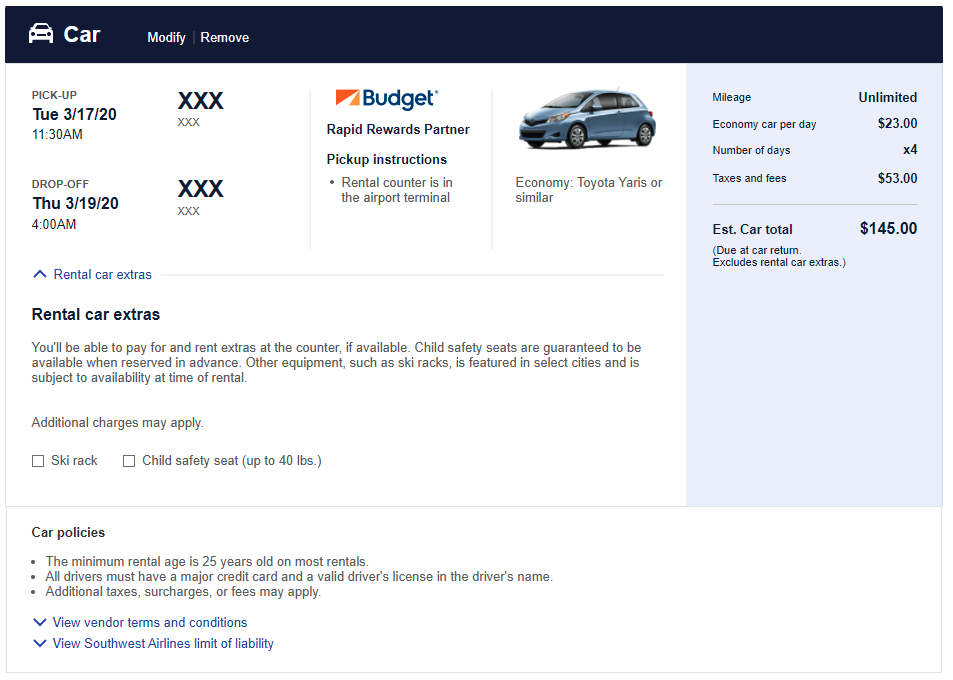
Development teams work with Marketing/Design in a variety of ways to improve the user experience. The first feature I built at Southwest was a redesign of the rental car purchase page, to refactor it from an expanded to a compressed version according to design comps, which was later used in A/B testing.
React
Storybook
Zeplin
Figma
Jira
Confluence
GitLab
Jenkins
SonarQube
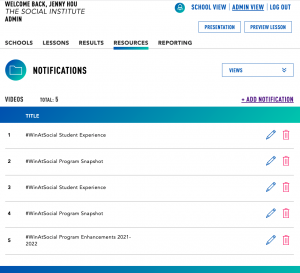
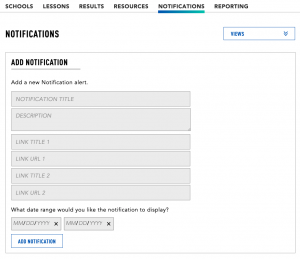
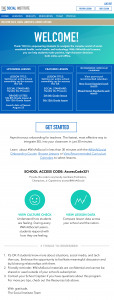
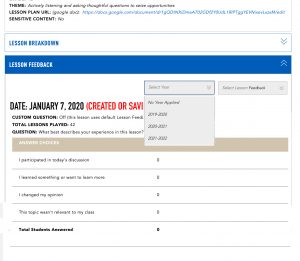
The Social Institute is a gamified social-emotional learning web and mobile responsive app that assists in supplementing class discussions with socially related opinion questions, collecting and displaying student survey data in real time, and formatting the discussion process into a game.


React
Redux
XD
Photoshop
MongoDB
Postman
GitLab
Jira
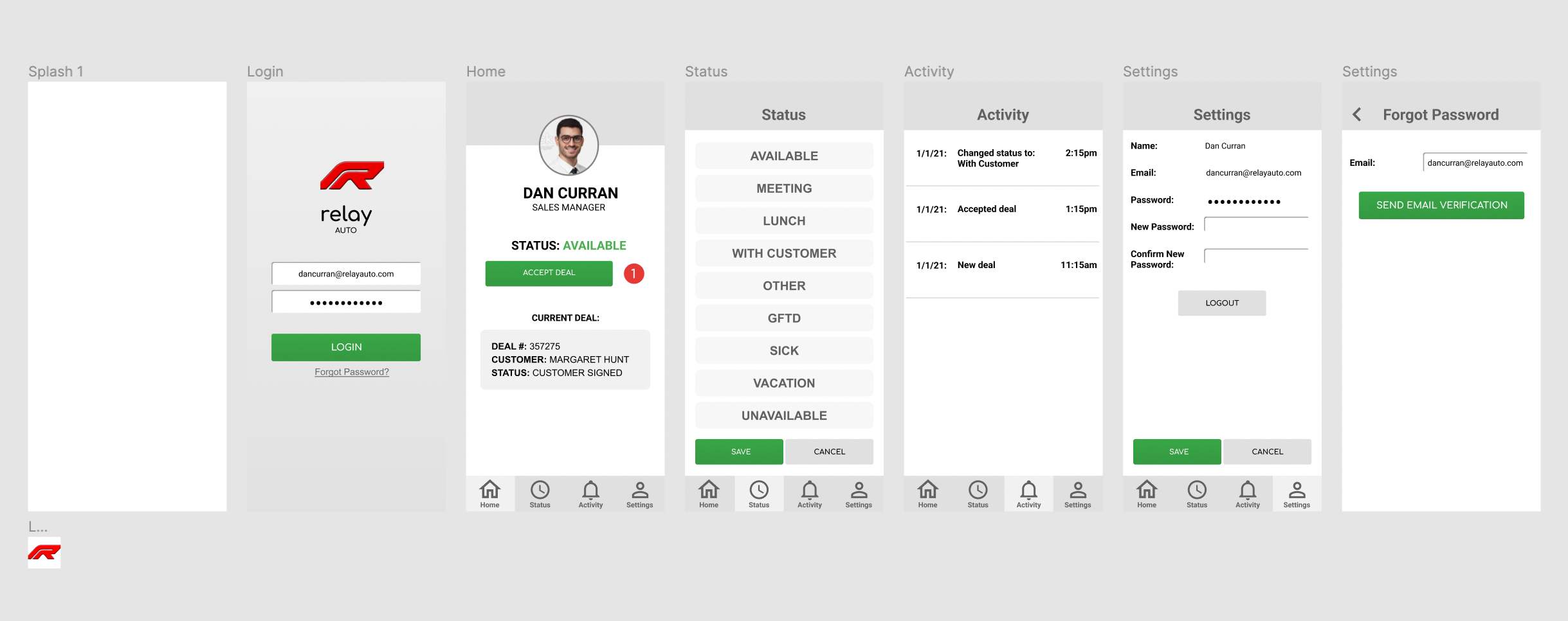
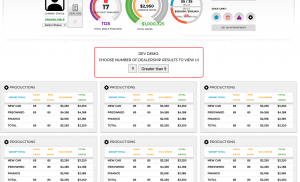
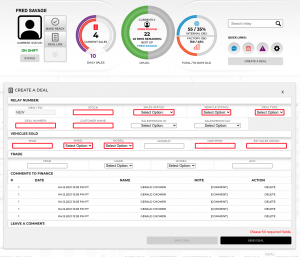
Relay Auto is an automotive employee dashboard web app that I built as the sole developer from start to finish in React, including 14 account type screens, 10 features including Data Visualization (Tables & Dials), Login/Sign-Up (User Auth using JWT), Menus/Navigation, User Profile Page, Admin Dashboards, and Modals, and 6 dashboard dials built from pure CSS. It was a fun experience having the freedom to build an entire app ecosystem according to my own choosing, and to make the app as lightweight as possible by building progress dial components from scratch using CSS.
I designed the prototype with 7 screens for the native mobile app in Figma based on existing web designs, revised the design based on user testing feedback, and received positive feedback from client and management to use the prototype for the native mobile app.


React
Material UI
TypeScript
Figma
XD
Photoshop
Jira
Bitbucket
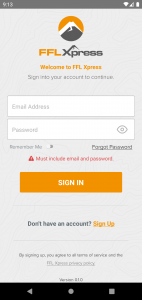
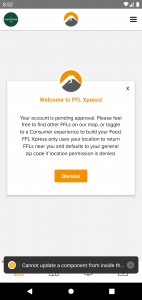
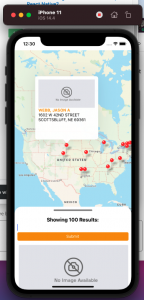
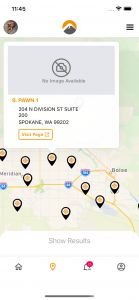
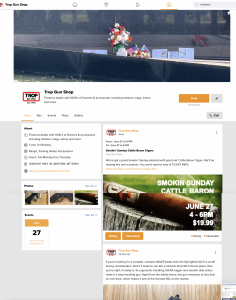
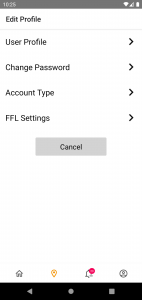
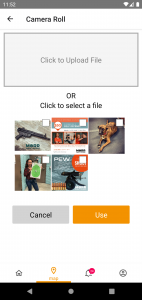
I worked on the app for 7 months, and contributed to 10+ features, including Map (Search, Geolocation, & Markers/Callouts), Media Uploading (Images, PDFs, & Video), Login/Sign-Up (User Auth using JWT), Menus/Navigation, User Profile Page, Posts Feed, Notifications, Admin Dashboard, and Modals.


React
Material UI
TypeScript
Redux
MongoDB
Jira
Bitbucket